Review of Plant Foraging Guidebooks
Reviews of foraging books covering edible plants, fruits, nuts, seeds and possibly seaweeds
Related pages:
- General guidance on foraging guidebooks and online resources
- Reviews of general foraging guidebooks
- Reviews of Fungi identification guidebooks
- Reviews of Fungi books that are not guidebooks
- Online foraging resources
- Wild Food Guide
Forage – Wild Plants to Gather, Cook and Eat
Liz Knight
RRP £19.99 full colour hardback
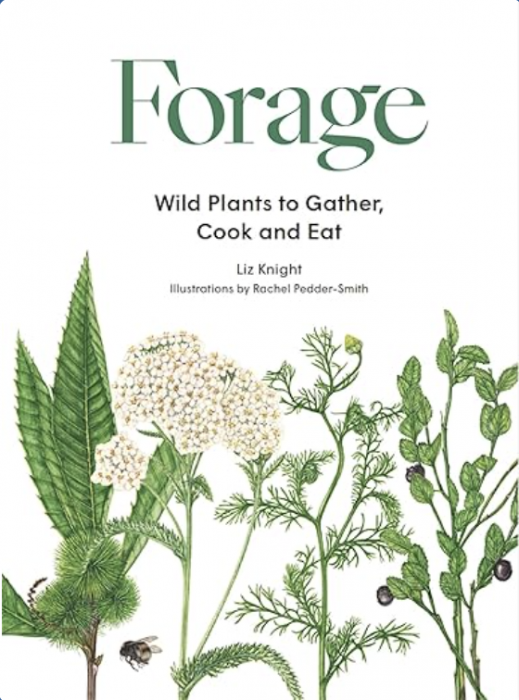
A beautiful, deeply informative and inspirational book, covering 50 plants that are common throughout most of the temperate world. Liz Knight is a culinary alchemist with one of the finest wild palates of anyone I have ever encountered, as well as being incredibly skilled in noticing and describing flavours, and explaining how to unlock and pair them using simple, accessible techniques. This is an absolute must-have book for any novice, intermediate or experienced forager.
Strengths
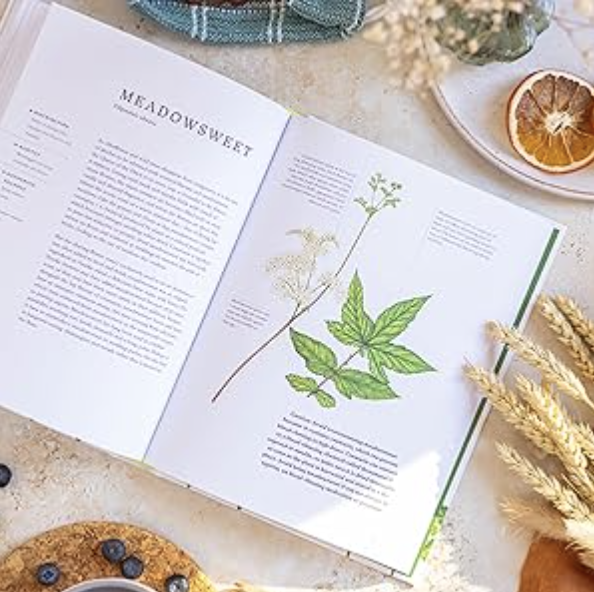
- Stunning detailed full-colour illustrations
- Covers abundant, widely dispersed plants that are quite easy to find and harvest in quantity throughout the temperate world
- Broken down into useful sections, such as “Shrubs and Climbers”
- Simple, accessible, delicious recipes
- Deep dives into the stories and ethnobotany of the featured plants
- Clear, accessible writing style
Weaknesses
- Not a field guide, but the illustrations are very clear and accurate
- No photographs
Support the author by buying direct here.
The Forager Handbook
Miles Irving
RRP £30 black & white hardback
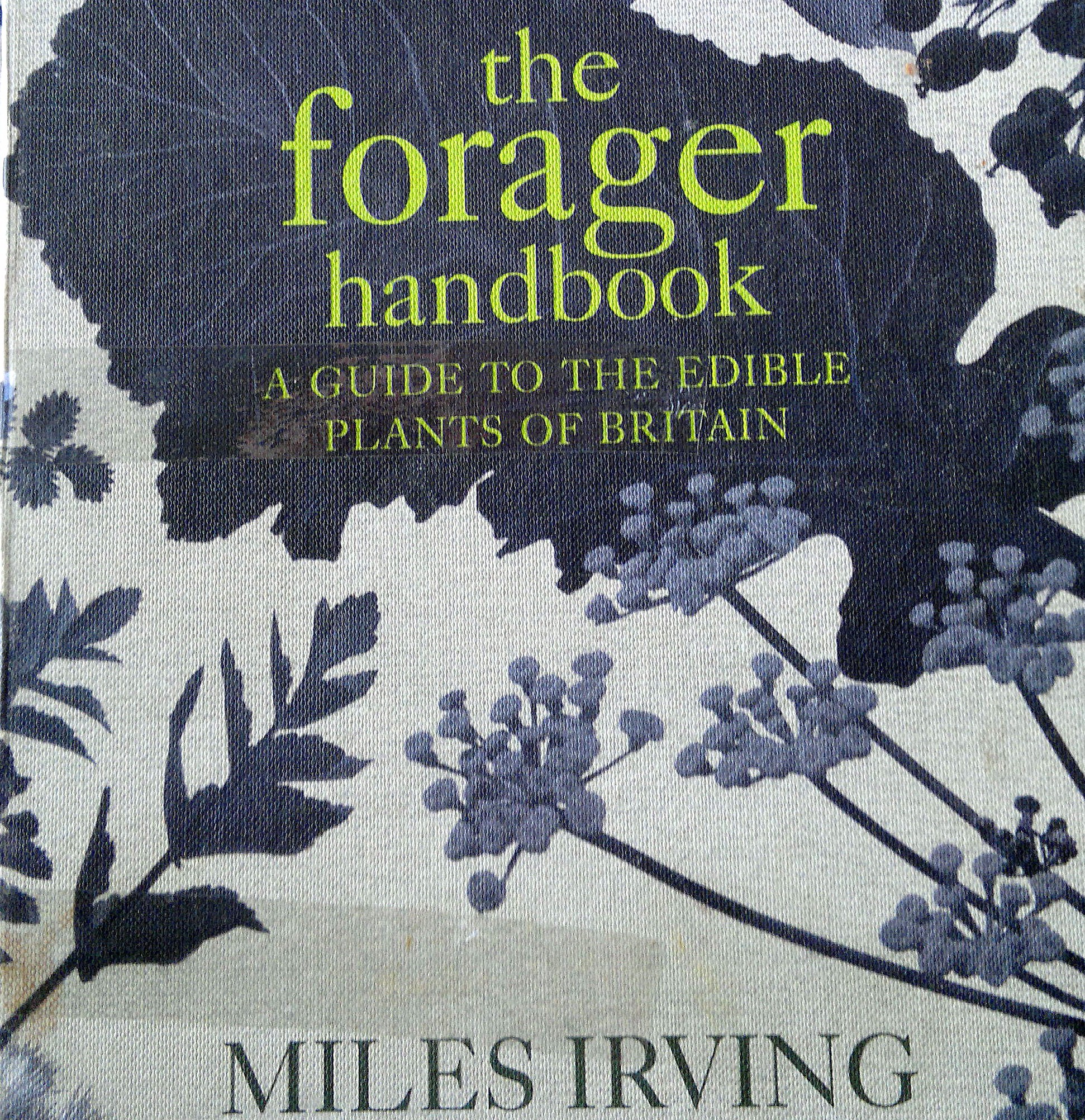
A weighty hardback by one of the UK’s foremost commercial foragers and supplier of wild food to top restaurants.
Strengths
- Comprehensive, in-depth coverage of UK’s edible plants, trees, grasses and seaweeds
- Introduces many species not covered in other foraging literature
- Sensitive expert advice on sustainable harvesting
- Discusses the spiritual, economic, ethnobotanical and environmental aspects of foraging
- Detailed notes on UK distribution
- Inspirational contemporary wild food recipes from top chefs
- Good information on poisonous lookalikes
- Pictures of plants at their edible stage of growth
- Broken down by plant families, fostering a greater understanding of plant morphology
- Species lists by habitat and season

Weaknesses
- Black and white photographs only – not a field ID guide, though pictures cleverly emphasise plant structure and descriptions are precise
- Would benefit from including habitat and seasonal lists in table format
- Not much historical/plant lore info
Comprehensive and inspirational – this is the must-have book for any plant foragers who wish to extend their wild food knowledge. Not a stand-alone ID guide.
The Thrifty Forager
Alys Fowler
£16.99 glossy paperback
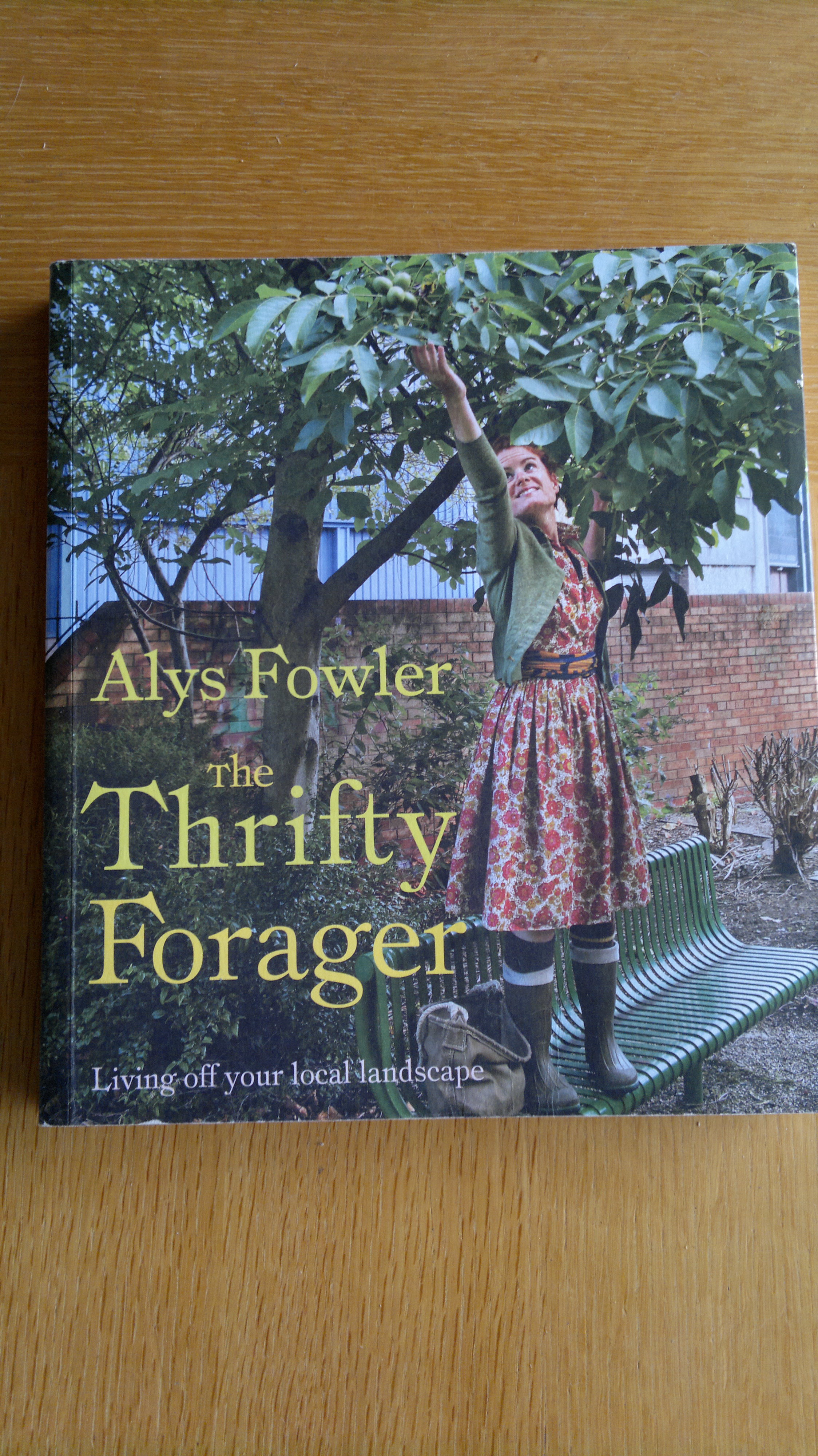
A roundup of edible plants with a slight urban slant from well known gardening writer and TV presenter Alys Fowler.
Strengths
- Pleasant chatty writing style covering legalities, ethics, background etc
- Excellent wild food calendar
- Cross-over chapters between foraging/gardening on permaculture and community gardening
- Well laid out with large colour photographs of most species in situ
- Nice (mostly) modern recipes with good general information on how to use wild ingredients
Weaknesses
- Urban/suburban focus – little or no coverage of coastal/forest/upland plants and ignores large groups of plants (eg.carrot family)
- Little information on national distribution (Southern focus?)
- Does not cover plant lore or traditional/herbal uses
- Little coverage of poisonous species
A nice book if you are foraging around towns, cities, parks etc – but even there not an ID guide.
Edible Seashore – River Cottage Handbook No 5
– covering edible coastal plants, seaweeds and shellfish.
£14.99 – Small full colour hardback
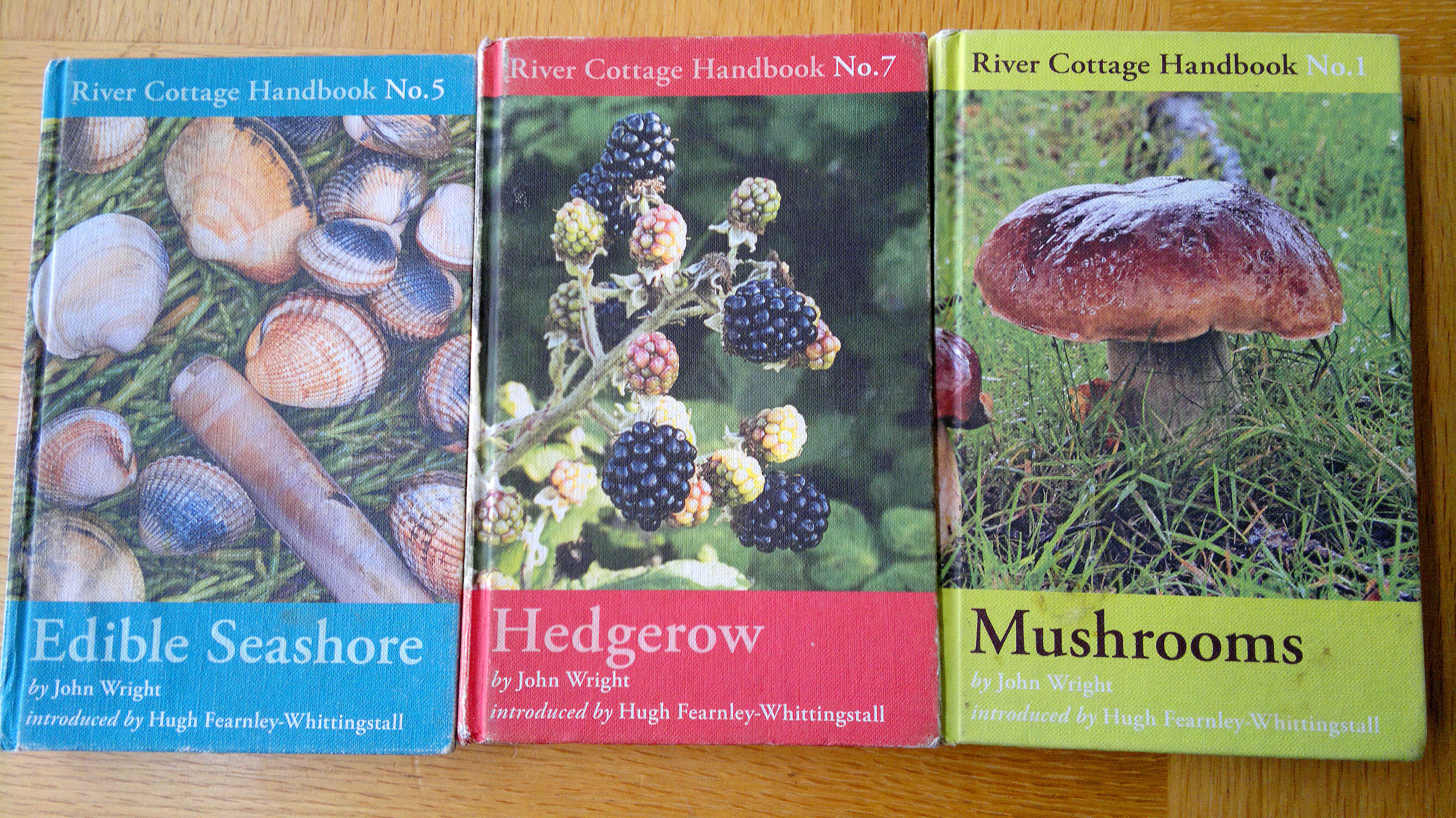
Hedgerow – River Cottage Handbook No 7
– covering edible hedgerow and woodland plants
£14.99 – Small full colour hardback

both by JohnWright
Portable hardback guides by River Cottage’s foraging expert. In combination, these two books cover the best and most common edible wild plants, with the bonus of some excellent coverage of shellfish and seaweed in Edible Seashore. See also Mushrooms – RC Handbook No1 in Fungi guidebook reviews.
I’m reviewing them together as they both apply the same treatment and (delightful) writing style to their different areas of foraging.
Strengths
- Very entertainingly and engagingly written
- In-depth coverage of legal, ethical and practical aspects of foraging and plenty of snippets of plant lore
- Good foraging calendar (in Hedgerow only)
- Good full-colour pictures of species in situ
- Critical evaluation of quality and flavour of species – so often absent in guidebooks
- Notes on conservation and distribution
- Good coverage of poisonous lookalikes
- Excellent selection of simple and delicious recipes
- Portable
Weaknesses
- Rather subjective and often negative assessment of culinary merits of some species
- While species descriptions are good in Hedgerow, they are often poor in Edible Seashore
- Would benefit from more pictures of each species to aid identification
Excellent introductions to foraging with good identification guidance, conveyed with lots of fun and humour.
The Boreal Herbal – Wild Food and Medicine Plants of the North
Beverley Gray
Around £35 – large glossy paperback

A hefty glossy guide to useful plants of the North.
Strengths
- Packed with in-depth information on wild plants as food and medicine
- Excellent colour photographs and line drawings to help identification and understanding
- Extensive background information on foraging and processing
- Lots of delicious, easy recipes
- Great tables detailing the different medicinal applications of plants
- Lots of plant-lore and the authors personal spiritual connection with plants
- Strong coverage of berries
Weaknesses
- Focussed on Northern Boreal plants (most of which can be found in the UK) – but many UK species absent
- Expensive
A beautiful book, full of love and inspiration and a great resource to have at home.
1 Comment
Found your site today whilst researching the possible resource in Scotland as I wish to spend time next summer living and foraging by the sea.this site has been most helpfull.happy foraging.