Foraging Perspectives: A Meeting in the Woods
November 14, 2013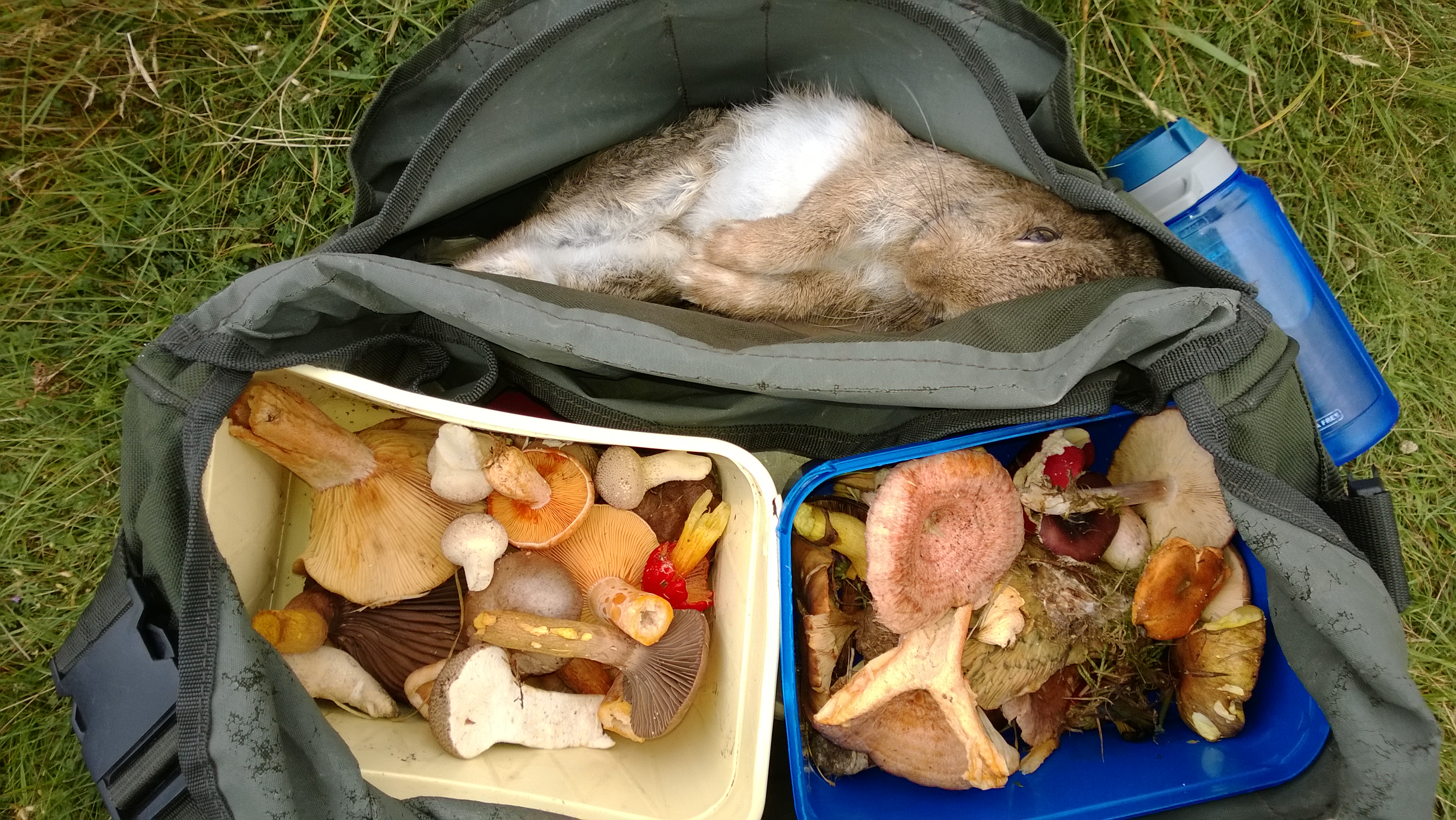
Some thoughts on territory, secrecy and sharing among foragers
Some thoughts on territory, secrecy and sharing among foragers

Neoboletus luridiformis, previously known as boletus luridiformis and boletus erythropus. Aka Red foot bolete, dotted stemmed bolete Edibility – 4/5 – Firm and flavoursome. Almost as good as a cep and less likely to be maggoty. Should always be well cooked – mildly toxic raw. Identification – 4 /5- A solid bolete with a 4 – 12cm velvety tan […]
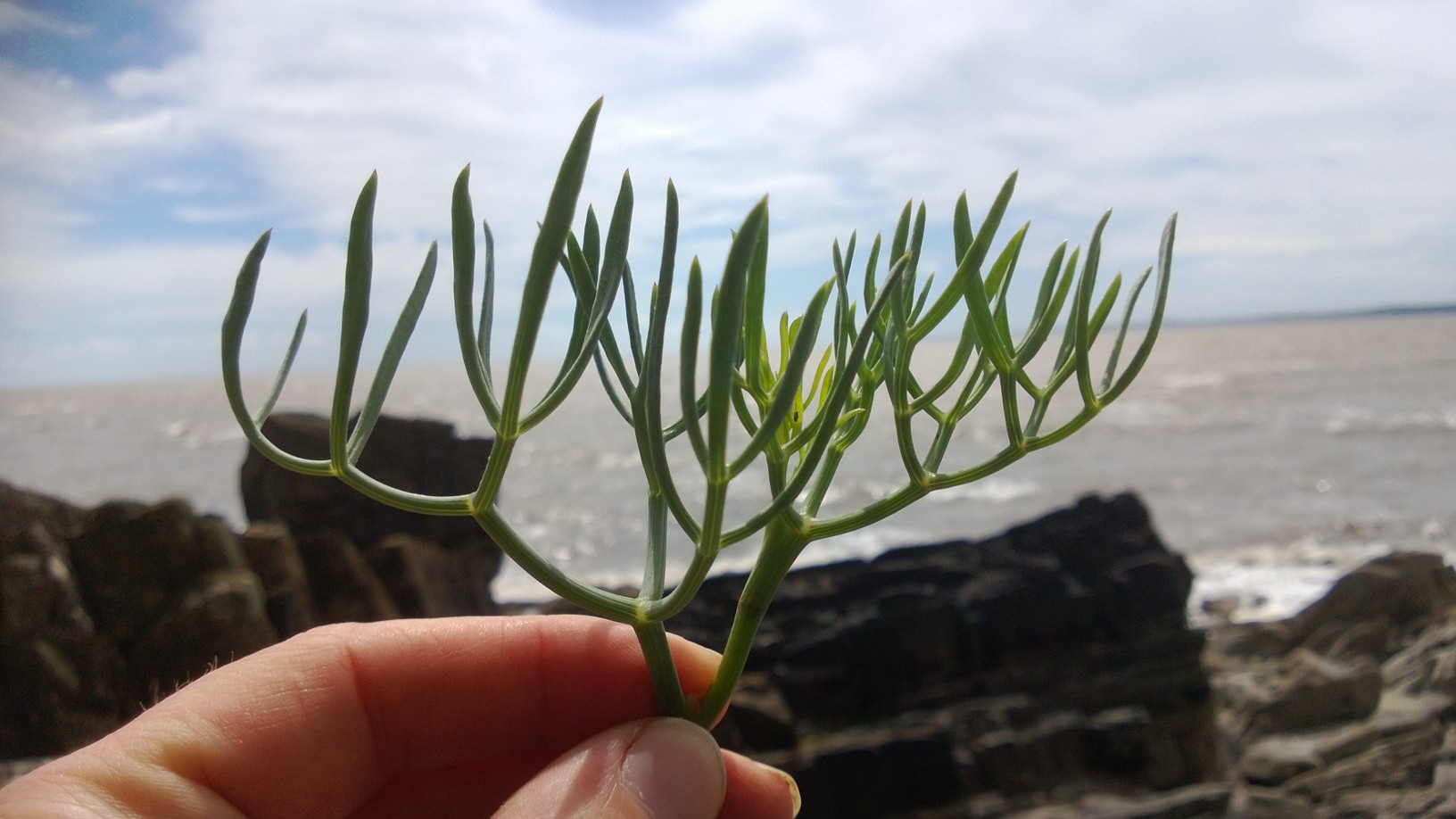
If foraging conjures up images of bimbling along tranquil hedgerows, gently picking berries with a gentle sun on your back, then picking rock samphire may disabuse you of the notion. Though it does occasionally grow on the foreshore, its preferred home, clinging to precipitous coastal cliffs, makes for anything but bucolic harvesting.
Orache doesn’t always get good reviews in foraging guidebooks, but I rate the varieties I encounter very highly – both as a salad leaf when young, and as a spinach substitute when mature. The tender young leaves, to my palate, are wonderfully sweet with nutty overtones and a hint of salt…
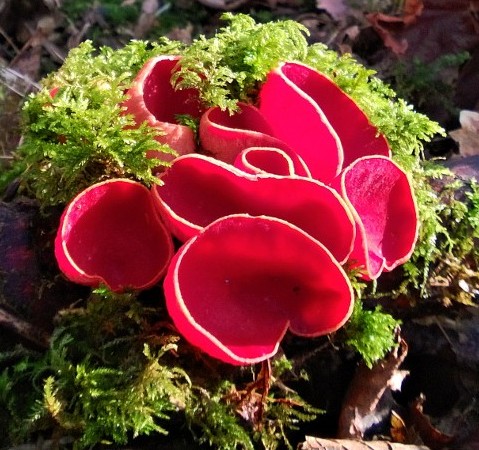
These spectacular and unmistakeable little winter and early spring fungi are quite common in damp, mossy deciduous woods with plenty of windfall.